






FANUC launches 5-axis initiative to advance quality and efficiency in complex machining
By Staff Report August 25, 2026 6:20 pm IST
FANUC has launched a new initiative to modernize 5-axis machining workflows for CNC machine tool builders, CAD/CAM companies, and manufacturers.
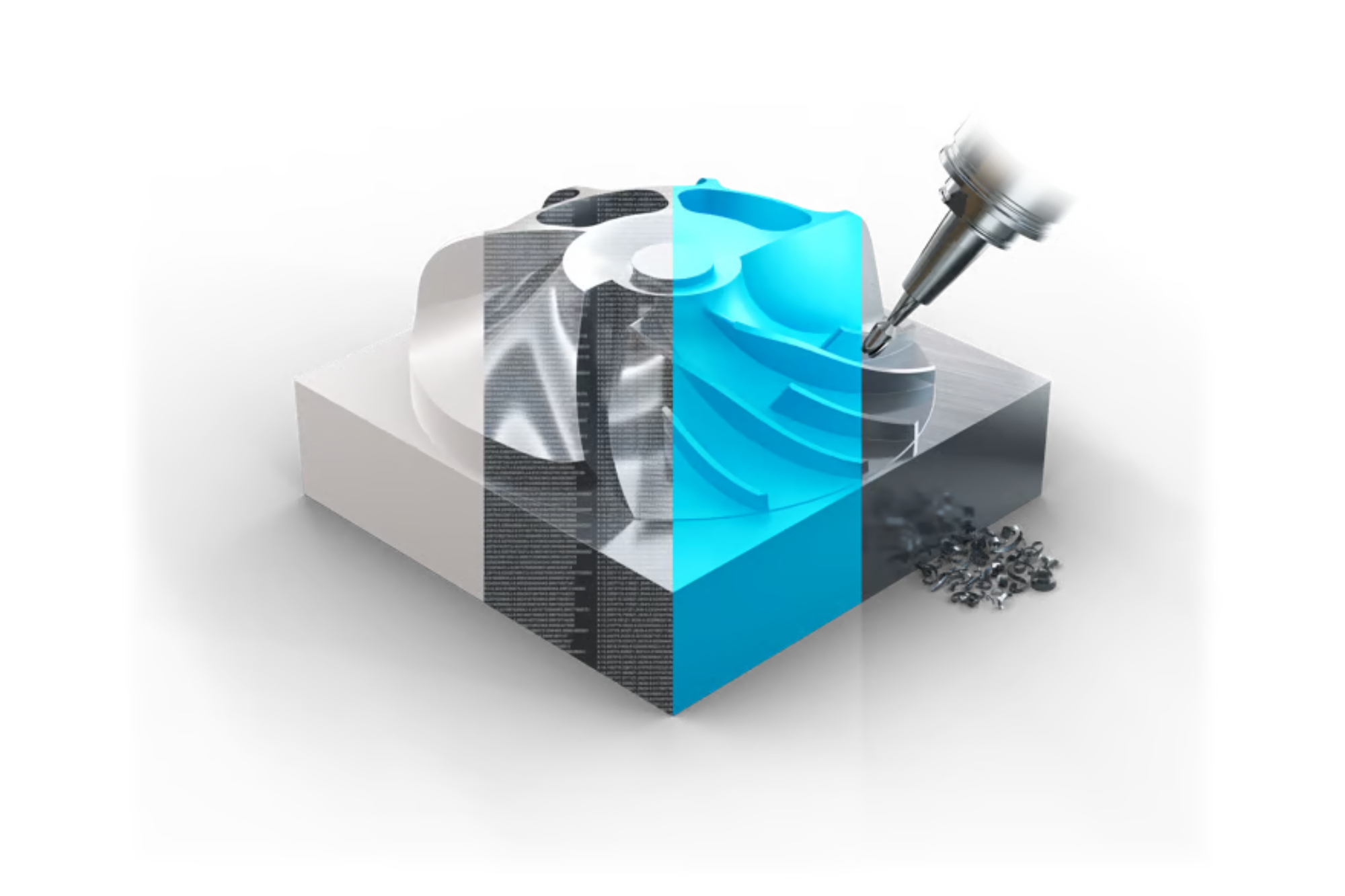
FANUC has introduced a new industry-wide initiative designed to help CNC machine tool builders, CAD/CAM companies and manufacturers modernise 5-axis machining workflows and improve the production of complex components. The FANUC 5-Axis Integrated Technology Initiative focuses on aligning CNC machines, post processors, CAD/CAM systems and simulation environments with modern machining practices. The programme is intended to improve part quality, production speed, efficiency, accuracy and repeatability across CNC-based manufacturing operations.
Rick Schultz, executive director of aerospace for FANUC America, says, “Because the FANUC control has been the industry’s gold standard for CNC systems for decades, many manufacturers developed their machining processes years ago. As a result, they may not be taking advantage of the latest CNC technologies, which can prevent them from achieving the most optimal outcomes. The FANUC 5‑Axis Integrated Technology Initiative is designed to train the entire industry on new methods, new technologies and more efficient ways to machine parts.”
There are many production challenges that stem from programming methods and machine-specific workflows that were developed before today’s advanced CNC technologies became available. In traditional manufacturing environments, CNC machines may require individual programming approaches. Programmers can also be required to manually calculate complex multi-axis movements, creating programs that are specific to a particular part and machine.
The new initiative promotes a more machine-agnostic approach, in which programming is focused on the part rather than the individual machine. FANUC says this can reduce setup complexity and make machining processes easier to scale across multiple machines.
“This methodology significantly reduces the ‘art-to-part’ development time because the program is the same regardless of which machine is used,” Schultz says.
Under the recommended approach, manufacturers can develop a part, generate the appropriate toolpaths and post the program without repeatedly modifying the process for individual machines.
A central element of the initiative is establishing alignment among the CNC machine, post-processor, CAD/CAM system and simulation environment. FANUC’s methodology includes guidelines for machine setup and emphasises the use of optimised post-processors within CAD/CAM systems. The objective is to ensure that toolpaths created in CAD/CAM software are accurately translated into machine programs and produce consistent results.
As part of the programme, participating machine tool builders and CAD/CAM partners must produce a standardised 5-axis evaluation part. This evaluation is intended to demonstrate that their machines, software and settings conform to FANUC’s recommended modern practices.
“The goal is to establish alignment between the machine, the post-processor, the CAD/CAM system and the simulation,” Schultz says.
By bringing these elements together, FANUC aims to create a more consistent 5-axis manufacturing workflow, helping manufacturers produce complex components with greater efficiency and repeatability while reducing the reliance on machine-specific programming.
Cookie Consent
We use cookies to personalize your experience. By continuing to visit this website you agree to our Terms & Conditions, Privacy Policy and Cookie Policy.